From the Lamborghini Temerario to the Aston Martin Valhalla, 2026 promises to be another extraordinary year for supercar enthusiasts. Here's your comprehensive guide to the most anticipated releases.
The supercar world never rests. As we bid farewell to 2025's remarkable machines, a new generation awaits. The year 2026 is shaping up to deliver some of the most significant supercar debuts in recent memory, and if you're considering adding to your collection, now is the time to start planning.
The Temerario Takes Flight
The Huracán's successor arrives with a revolutionary powertrain that marks Lamborghini's most significant technological leap since the introduction of the V10. The Temerario—meaning "bold" in Italian—features a twin-turbocharged 4.0-liter V8, the first V8 in a Lamborghini since the Urraco of the 1970s.
What makes this engine special isn't just its configuration but its character. The twin-turbo V8 produces 789 horsepower on its own, with three electric motors adding another 150 horsepower for a combined output of 920 horsepower. More importantly, this V8 revs to 10,000 rpm—higher than the Huracán's V10—ensuring that emotional, high-revving character Lamborghini fans demand.
First customer deliveries are scheduled for January 2026, with strong allocation already claimed. The hybrid system provides 80 km/h pure electric capability for urban driving, making this supercar surprisingly practical for daily use. If you're interested, contact your dealer immediately—wait lists are already substantial.
Aston Martin's Mid-Engine Dream
After years of development and refinement, Aston Martin's mid-engine hybrid hypercar finally enters production in 2026. The Valhalla represents Aston Martin's most technologically advanced road car ever and its first true mid-engine production car.
The numbers tell part of the story: a 4.0-liter twin-turbo V8 derived from Mercedes-AMG, combined with front and rear electric motors for 998 combined horsepower. The sprint to 100 km/h takes just 2.5 seconds, and top speed reaches 350 km/h. But what makes the Valhalla special is how it came to be.
The carbon-fiber monocoque chassis was developed with input from Aston Martin's F1 program, and the attention to aerodynamic detail shows in every curve and vent. Active aerodynamics include front and rear active wings, plus underbody venturi tunnels that generate substantial downforce without drag penalties. At $800,000 and limited to 999 units, this is Aston Martin's statement of intent for the next decade.
Ferrari's Track-Focused Hybrid
Ferrari is preparing a track-focused version of the acclaimed 296 GTB for 2026. While official details remain under wraps, expect significant weight reduction, aerodynamic enhancements, and possibly more power from the already potent hybrid V6.
The 296 GTB has already proven itself as one of the finest driver's cars of its generation. Industry insiders suggest the Versione Speciale treatment will add approximately 30 horsepower while shedding 80-100 kg through carbon fiber body panels and a stripped interior. A fixed rear wing and aggressive aero package will transform the already capable 296 into a true track weapon.
If history is any guide—and with Ferrari, it usually is—the 296 Versione Speciale could achieve legendary status alongside the 458 Speciale and 488 Pista. Expect pricing around $400,000 for those fortunate enough to secure an allocation.
Porsche Goes Electric with the 718
Porsche has confirmed that the next-generation 718 will be fully electric, and the first high-performance variant is expected in 2026. Based on the dedicated EV architecture that underpins the new Macan Electric, the electric Cayman promises to maintain the mid-engine car's legendary handling character.
For purists mourning the loss of the flat-six, Porsche makes a compelling argument: the electric 718 will deliver an even more engaging driving experience through precise torque vectoring and instant power delivery. Dual motors providing over 600 horsepower, combined with a low center of gravity and perfect weight distribution, could make this the best-handling 718 ever built.
The range of over 400 km addresses practical concerns, while track-focused suspension and aerodynamics ensure this electric Porsche hasn't forgotten its sporting roots.
McLaren's Open-Air Hypercar
While not officially confirmed, industry sources suggest McLaren is developing a Spider variant of the W1 hypercar for 2026. The engineering challenges of removing the roof from a 1,258-horsepower hybrid hypercar are substantial, but McLaren has proven expertise in this area.
The W1's carbon-fiber monocoque was reportedly designed with convertible potential in mind, featuring additional structural reinforcement that wouldn't typically be present in a coupe-only design. If confirmed, expect a retractable hardtop design with a minor weight increase of approximately 50 kg. The powertrain would remain identical to the coupe, with production limited to under 200 units and a price premium of at least $200,000.
Rimac's Next Chapter
Following the success of the Nevera, Rimac is reportedly developing a more accessible electric hypercar for the 2026-2027 timeframe. While still firmly in the seven-figure bracket, this second model would expand Rimac's reach to a broader audience of collectors who appreciate electric performance.
The new model would retain four-motor all-wheel drive with over 1,500 horsepower, maintaining the under-2.0-second acceleration that defines the brand. However, a more practical daily-driver focus and projected annual production exceeding 500 units would make Rimac ownership a realistic proposition for more enthusiasts.
Securing Your Place
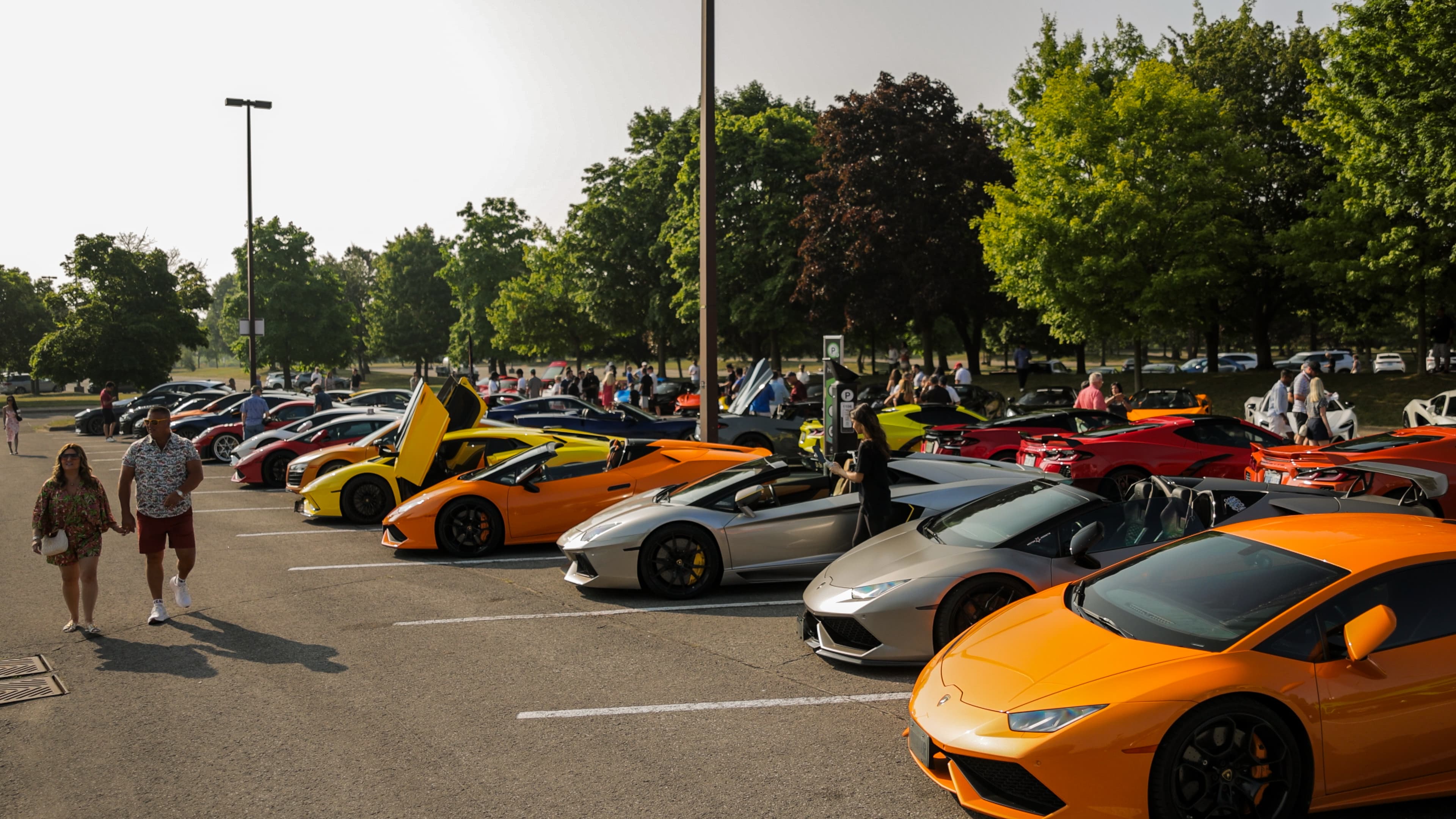
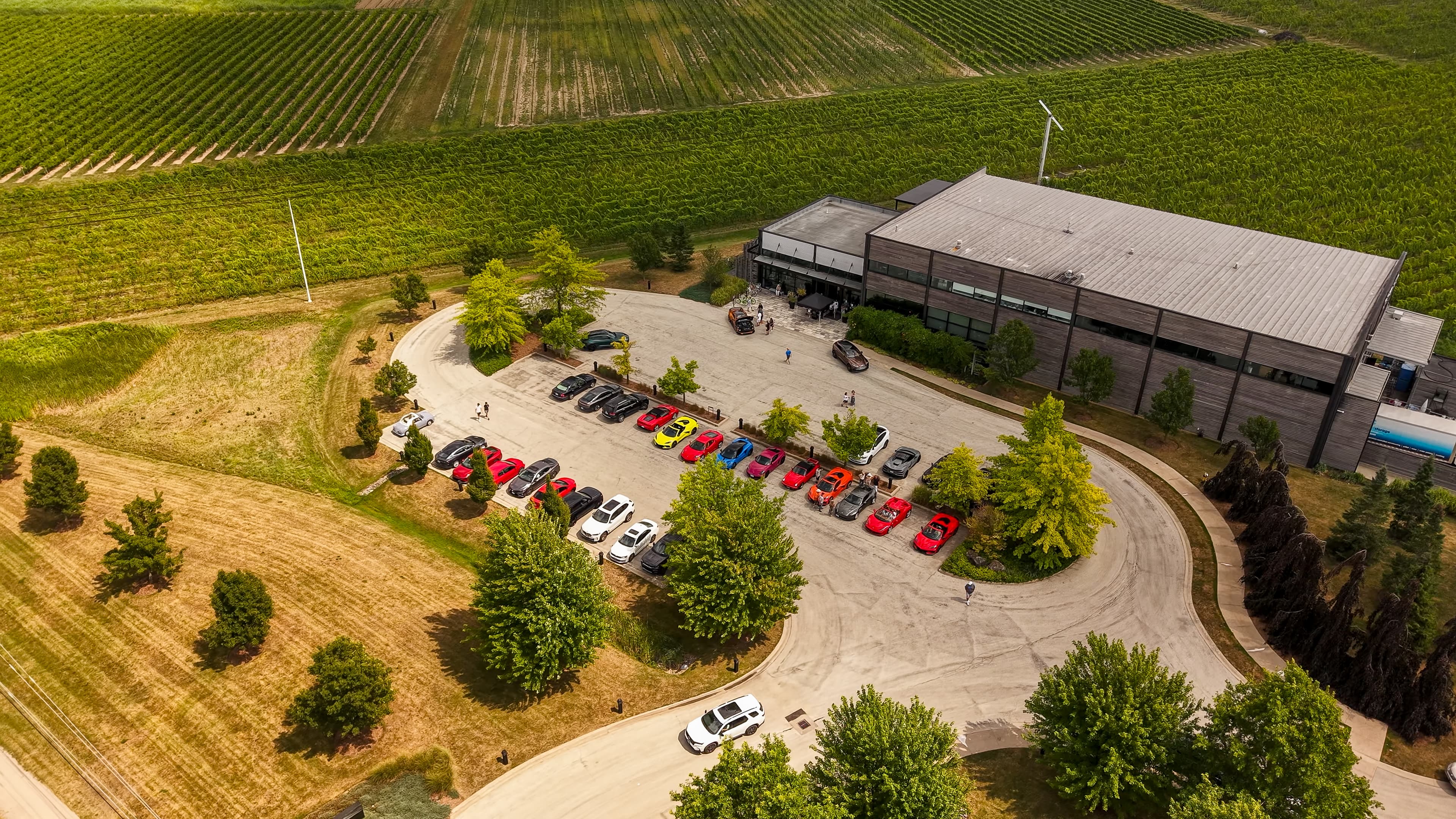
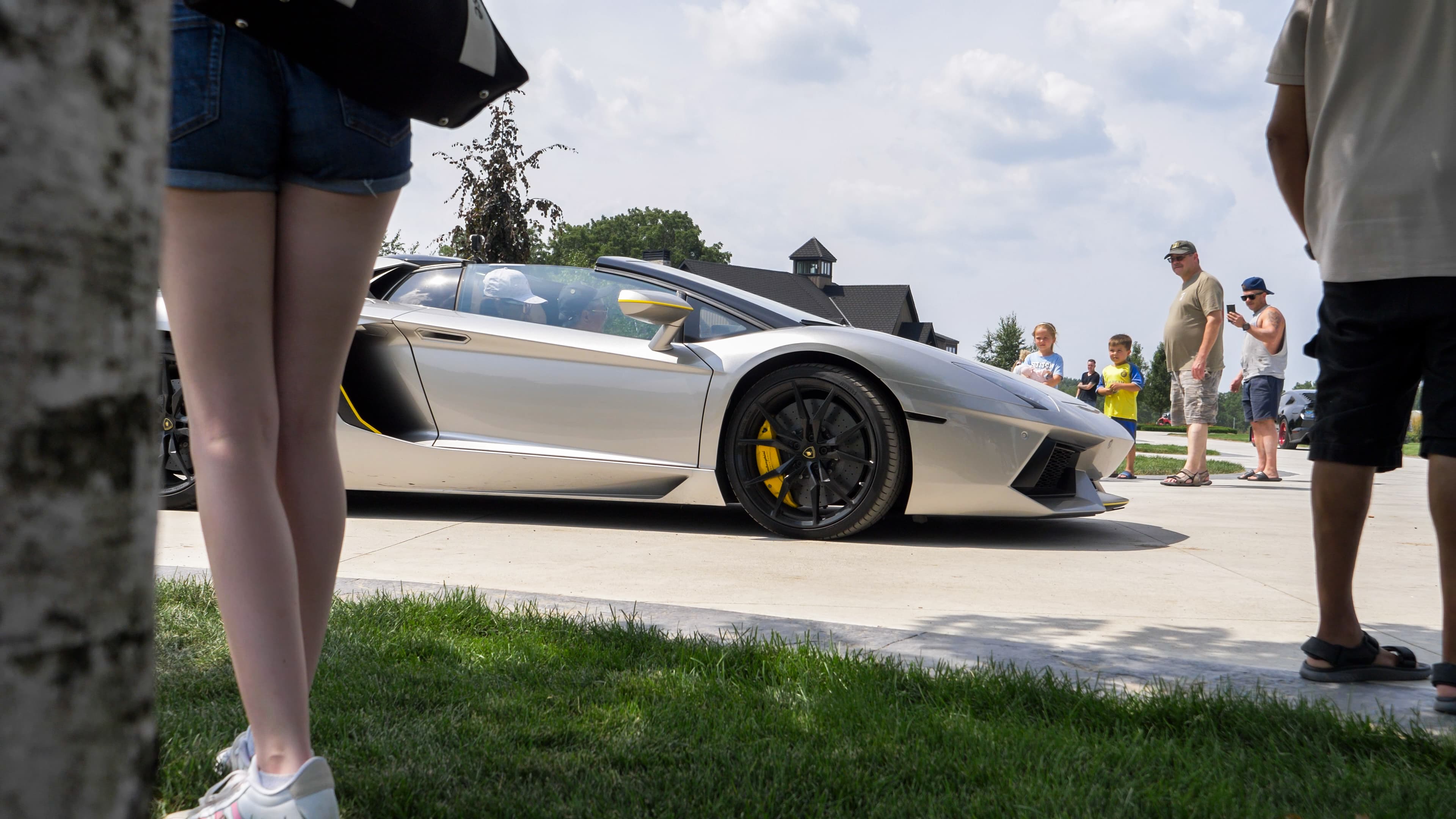
For serious buyers, 2026's most desirable supercars require advance planning. Allocations typically go to established customers first, and purchase history matters significantly with brands like Ferrari and Lamborghini. The collector market for modern supercars remains strong, and events like Niagara 5000 provide valuable networking opportunities with dealers and collectors.
The truth is, by the time a car is officially announced, allocations may already be spoken for. Building relationships now pays dividends when the next must-have supercar arrives.
Despite economic uncertainties, analysts predict continued strong demand through 2026, particularly for limited-production hypercars, final internal combustion models, hybrid supercars from established brands, and electric performance cars from boutique manufacturers.
Niagara 5000 2026 will showcase many of these incredible machines. Join us September 18-19 to experience the future of automotive excellence.
Share this article